
From Sketch to Screen:
The Journey of a 3D Modeled Building
PUBLISHED IN:
3D Modeled Building
PUBLISHED ON:
November 01, 2025
In today’s modern world, 3D modeling has completely changed how buildings are designed and visualized. With 3D architectural modeling, we can now see a building in full detail before a single brick is laid. This process is not just for architects—it helps clients, builders, and even everyday people understand how a building will look in real life. Let’s take a look at how a building goes from a simple sketch to a stunning 3D model on screen.
Step 1: Starting with a Sketch
Every great building starts with an idea. Architects and designers usually begin with a rough sketch—either on paper or digitally. These sketches help them plan the shape, size, and style of the building. It’s a basic visual that shows what the final structure might look like.
This is the foundation of the 3D architectural design. Even at this stage, architects consider things like the number of rooms, where the windows go, and how the building will fit into its surroundings.
Step 2: Turning Sketches into Blueprints
Next, the rough sketch is turned into detailed blueprints. Blueprints are like technical drawings that show every part of the building—walls, floors, doors, and more. They also include exact measurements.
These blueprints are very important for 3D modeling. They guide the 3D artist on what needs to be built in the virtual space.
Step 3: 3D Modeling Begins
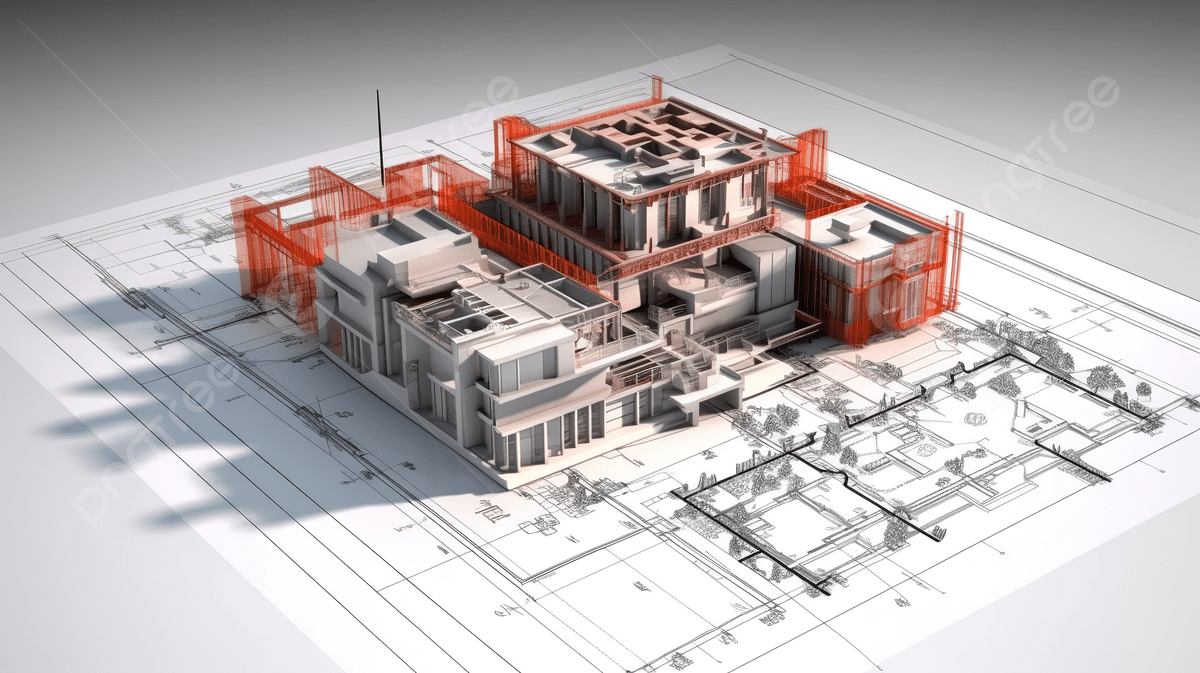
This is where the magic happens! Using advanced software, a 3D artist creates a virtual model of the building. This model includes every detail from the blueprints. With 3D architectural modeling, the artist adds depth, height, and width to create a lifelike version of the building.
You can see the building from different angles, zoom in on details, and even walk through it virtually. This step is often done by professional 3D architectural visualization companies like The Cheesy Animation.
Step 4: Adding Textures and Materials
Now, it’s time to make the building look real. The 3D artist adds textures to walls, floors, roofs, and other surfaces. For example, a wall might look like it’s made of bricks or wood. This step helps clients understand how the actual materials will look in the finished building.
Lighting is also added to show how the space will look during the day or night. This is an important part of 3D architectural rendering, as it adds mood and realism to the model.
Step 5: Creating Renders and Animations
Once the model is complete, the artist creates high-quality images or videos of the building. These are called 3D renders or 3D walkthroughs. A render is like a photograph of the 3D model. A walkthrough is like a short video that lets you take a virtual tour of the space.
These 3D architectural walkthroughs are great for real estate marketing, client presentations, or design approval. They help everyone visualize the final result before construction begins.
Step 6: Review and Feedback
After the renders are done, clients and architects can review the design. If they want changes, the 3D model can be edited easily—something that’s not possible with traditional blueprints. This makes 3D modeling a time-saving and cost-effective solution.
Why 3D Modeling Matters
Saves Time: You can find design issues early and make changes before construction starts.
Saves Money: Reduces the risk of costly mistakes during building.
Better Visualization: Helps clients understand the design in a more realistic way.
Improves Communication: Everyone involved can clearly see what the final building will look like.
Conclusion
The journey from sketch to screen is an exciting process. Thanks to 3D architectural modeling, what once lived only in the imagination can now be seen and experienced on a screen. Whether it’s a home, office, or shopping mall, this technology makes building design smarter, faster, and more visual than ever before.
If you’re planning a construction project and want to see your ideas come to life, 3D modeling services from The Cheesy Animation can help you visualize every detail—before the first brick is placed.
Get in touch
Please submit the form below to contact via email. We’ll get back to you within 24 Hour in business day.

34, Pardarshak,
Shivaranjani Cross Road
Ahmedabad, India - 380015